From Design to Delivery: The Journey of Custom Process Hoppers
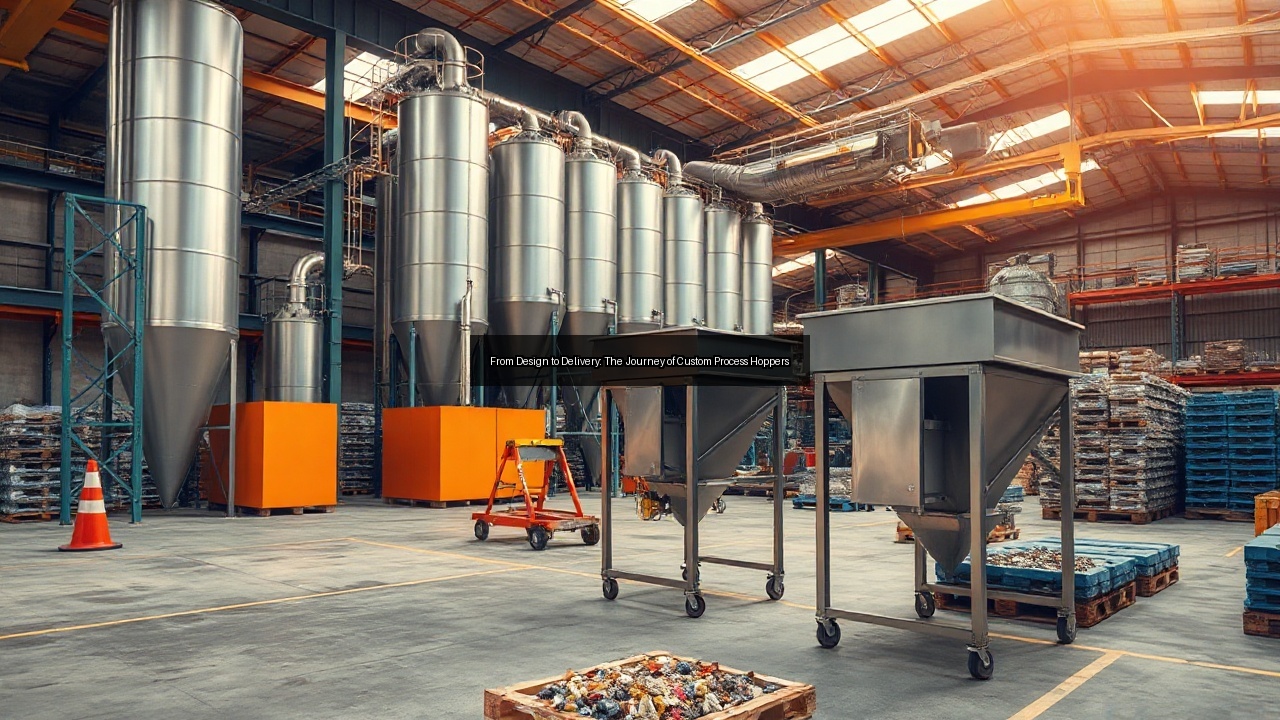
Understanding Custom Process Hoppers
What Are Custom Process Hoppers?
Custom process hoppers serve as vital components in various industrial applications, particularly in the handling and storage of bulk materials. These specialized containers facilitate the efficient transfer of materials, whether it be concrete, recyclables, or scrap, from one process to another. Designed to meet specific operational needs, custom process hoppers often feature unique shapes, sizes, and configurations tailored to the requirements of the manufacturing or warehousing environment. Unlike standard hoppers, custom models offer enhanced functionality and adaptability, making them essential for companies looking to optimize their production processes.
Key Components of Custom Hoppers
Custom process hoppers consist of several key components that contribute to their functionality and efficiency. The primary structure typically includes a cone-shaped body designed to funnel materials downward, facilitating a smooth flow into conveyor systems or other processing equipment. Essential features often include gates for controlled discharge, which allow operators to manage the release of materials as needed. Additionally, hoppers may incorporate casters for mobility, enabling easy repositioning within a facility. Guardrails can also be added to ensure safety during loading and unloading processes, particularly in busy manufacturing environments where personnel interact closely with equipment.
Common Materials Used in Manufacturing
The choice of materials in the construction of custom process hoppers significantly impacts their durability and performance. Stainless steel ranks as a top choice, offering resistance to corrosion and wear, making it ideal for environments that handle abrasive materials or chemicals. Sheet metal provides a cost-effective alternative, suitable for less demanding applications where budget constraints are a concern. Other materials may include high-density polyethylene or aluminum, each selected based on specific operational requirements. The right material choice not only ensures longevity but also enhances the hopper's ability to handle various substances effectively, from bulk powders to heavy aggregates.
The Design Phase: Crafting Tailored Solutions
Identifying Client Needs: Dimensions and Capacities
The design phase for custom process hoppers begins with a thorough assessment of client needs. Understanding the specific dimensions and capacities required for a project is crucial. Clients often have unique operational parameters, such as the type of bulk materials they handle and the volume of material flow necessary for their processes. This stage involves close collaboration between engineers and clients to ensure that the hopper will fit seamlessly into existing setups, such as integrating with conveyor systems or pallet racks. Accurate measurements and capacity planning prevent bottlenecks in the production line and enhance overall productivity in manufacturing environments.
Material Selection: Stainless Steel vs. Sheet Metal
Material selection plays a pivotal role in the design of custom hoppers. Stainless steel offers exceptional durability and resistance to corrosion, making it ideal for industries that handle aggressive substances or require stringent hygiene standards, such as food processing or pharmaceuticals. Conversely, sheet metal presents a more economical option, suitable for applications with less demanding material handling requirements. Choosing the right material depends on various factors, including the specific use case, budget constraints, and expected wear and tear. Engineers evaluate these factors to recommend the best material that meets both functional and financial needs.
Incorporating Features: Gates, Casters, and Guardrails
Incorporating additional features into the design of custom process hoppers enhances their functionality and safety. Gates are essential for controlling the flow of materials, allowing operators to manage discharge rates effectively. Casters add mobility, making it easier to reposition hoppers as needed within the workspace. Guardrails provide safety for personnel working near the hopper, minimizing the risk of accidents during the loading or unloading of materials. Each feature is tailored to the operational needs of the client, ensuring that the final product not only meets design specifications but also enhances workflow and safety in the manufacturing environment.
From Manufacturing to Delivery: The Production Journey
Fabrication Techniques for Custom Hoppers
The manufacturing process of custom process hoppers involves various fabrication techniques to ensure precision and quality. These methods often include welding, bending, and machining, tailored to the chosen materials and design specifications. Advanced fabrication techniques allow for the creation of complex shapes and configurations that standard hoppers may not accommodate. The use of CNC (Computer Numerical Control) technology enhances accuracy and efficiency during production, ensuring that every component meets strict quality standards. This attention to detail during the fabrication process results in hoppers that not only perform optimally but also stand the test of time.
Integration with Conveyor Systems and Warehousing
Custom process hoppers often integrate seamlessly with existing conveyor systems and warehousing setups. This integration is crucial for optimizing the flow of materials within a facility. Engineers design hoppers to align perfectly with conveyor belts, ensuring that material transfer occurs efficiently without interruptions. Proper alignment and compatibility with pallet racks also enhance storage options, allowing for organized and accessible material management. Such integration not only streamlines operations but also increases overall productivity by minimizing manual handling and reducing the risk of material spillage during transfer.
Quality Control Measures in Production
Quality control measures are integral to the production of custom process hoppers. Manufacturers implement rigorous testing protocols to ensure that each hopper meets the required specifications and performance standards. This includes inspections of weld integrity, material strength, and functionality of features such as gates and casters. Adhering to industry standards and regulations is essential, especially in sectors where safety and reliability are paramount. By maintaining high-quality production standards, companies can deliver hoppers that not only meet client expectations but also provide long-term value in their operations.
Applications and Benefits of Custom Process Hoppers
Role in Handling Bulk Materials and Recyclables
Custom process hoppers play a crucial role in handling bulk materials and recyclables across various industries. Their design allows for efficient storage and transfer of materials such as aggregates, grains, and waste products. In recycling operations, custom hoppers enable the effective sorting and processing of recyclables, enhancing the overall efficiency of waste management systems. Their adaptability means they can be tailored for specific materials, ensuring optimal performance regardless of the substance being handled. This versatility makes custom process hoppers indispensable in modern manufacturing and recycling operations, contributing to sustainable practices.
Enhancing Productivity in Manufacturing Environments
Custom process hoppers significantly enhance productivity in manufacturing environments. By streamlining material handling processes, these hoppers reduce downtime and minimize the risk of bottlenecks in production lines. Their tailored designs allow for quick loading and unloading, facilitating a smooth flow of materials between different stages of production. The integration of features like gates and casters further contributes to efficiency, allowing operators to manage materials with ease. As a result, companies experience improved operational performance, reduced labor costs, and increased output, all of which contribute to a healthier bottom line.
Case Studies: Successful Implementations
Several case studies highlight the successful implementation of custom process hoppers in diverse industries. For instance, a manufacturing company that dealt with concrete found that introducing a custom hopper significantly increased their material handling efficiency. By integrating the hopper with their existing conveyor system, they reduced loading times by 30%. In another case, a recycling facility customized their hoppers to optimize the sorting process for recyclables. This adaptation not only streamlined their workflow but also increased the recovery rate of valuable materials. These examples demonstrate the tangible benefits of investing in custom process hoppers, showcasing their ability to transform operations and enhance productivity.
See Also
- Enhancing Productivity in Manufacturing with Tailored Process Hoppers
- Exploring the Benefits of Stainless Steel Custom Hoppers in Manufacturing
- Why Custom Hoppers Are Essential for Scrap and Recycling Operations
- The Connection Between Custom Hoppers and Enhanced Operational Safety
- Designing Custom Process Hoppers with Flexibility in Mind