Mastering Efficiency in Factory Operations through Pneumatic Valve Manufacturing
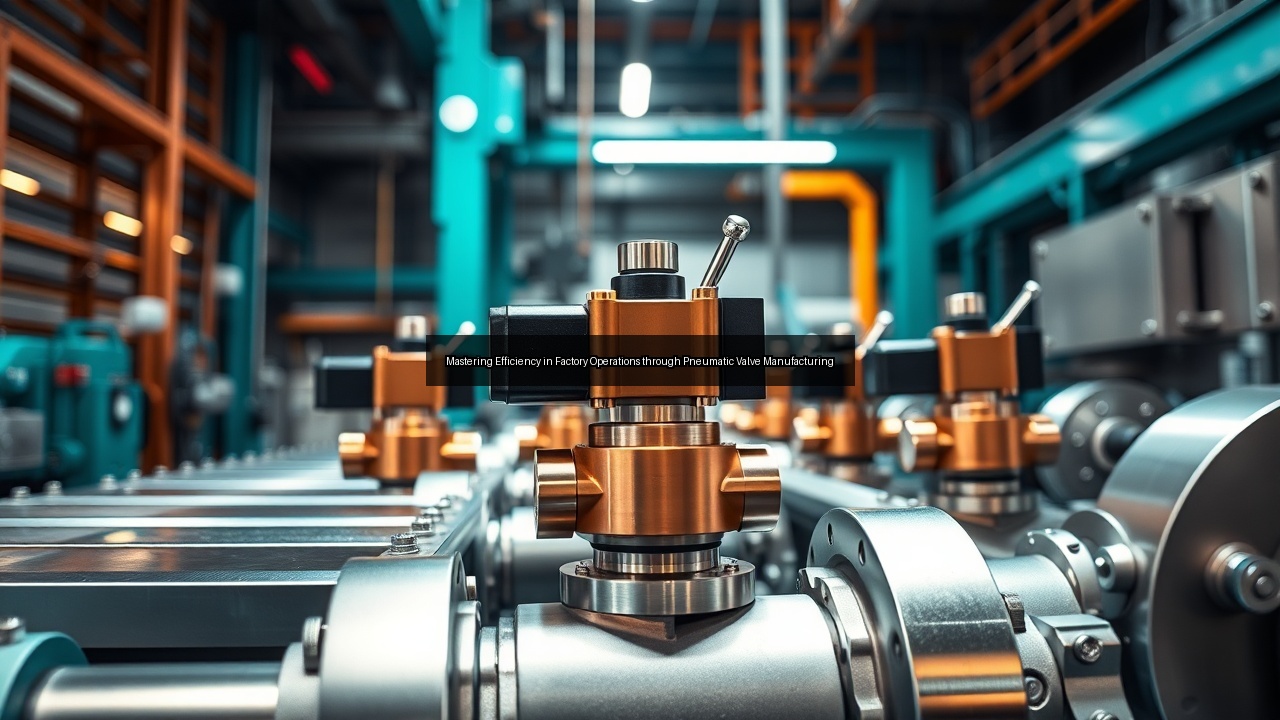
The Role of Pneumatic Valves in Modern Manufacturing
Understanding Pneumatic Systems
Pneumatic systems power countless factory operations by using compressed gas to drive motion and control functions. These setups rely on clean, dry air delivered at consistent levels to move cylinders, actuators, and other components without the mess or fire risk tied to hydraulic fluids. Manufacturers choose pneumatic technology because it offers rapid response times and simple maintenance compared with electric or hydraulic alternatives. In practice, a well-designed pneumatic system converts shop air into reliable force for assembly lines, packaging equipment, and material handling. Engineers size compressors, tubing, and fittings carefully so pressure remains stable even during peak demand. Regular filter changes and leak checks keep the entire loop efficient and safe for workers. When integrated correctly, these systems reduce downtime and let factories scale output without constant recalibration. The core advantage lies in simplicity: fewer moving parts mean less wear and faster troubleshooting when issues arise.
Importance of Pressure Control in Factories
Precise pressure regulation keeps every machine running at peak performance and prevents costly damage from spikes or drops. Factory managers install regulators and sensors at key points to hold line pressure within tight tolerances, protecting both equipment and product quality. In high-volume settings, even small fluctuations can cause misfeeds or incomplete cycles that scrap parts and waste labor. Effective pressure control also supports safety protocols by limiting force on pneumatic cylinders that interact with operators. Plants often combine digital monitors with mechanical backups so alarms trigger before problems escalate. This layered approach cuts unplanned stops and extends the life of valves and actuators throughout the facility. When teams track pressure data over shifts, they spot trends early and schedule maintenance before failures occur. The result shows up directly on the bottom line through higher throughput and lower repair budgets.
Applications of Pneumatic Control Valves
Pneumatic control valves direct airflow to specific actuators and sequence complex motion profiles on production equipment. In automotive plants they position clamps and weld guns; in food processing they operate diverters and fillers at high speed. These valves handle both simple on-off duties and proportional control that varies flow for delicate operations. Manufacturers select spool, poppet, or diaphragm designs based on cycle rates, media compatibility, and required response times. Integration with PLCs allows recipes to change valve timing without mechanical adjustments, boosting flexibility on mixed-product lines. When paired with positioners and flow sensors, pneumatic control valves deliver repeatable accuracy that matches many hydraulic valve applications while avoiding fluid leaks. Their compact size fits crowded machine frames, and quick-connect fittings speed installation or replacement during changeovers. Overall, these components form the backbone of responsive, clean automation across modern factories.
Machining Processes for Pneumatic Valve Manufacturing
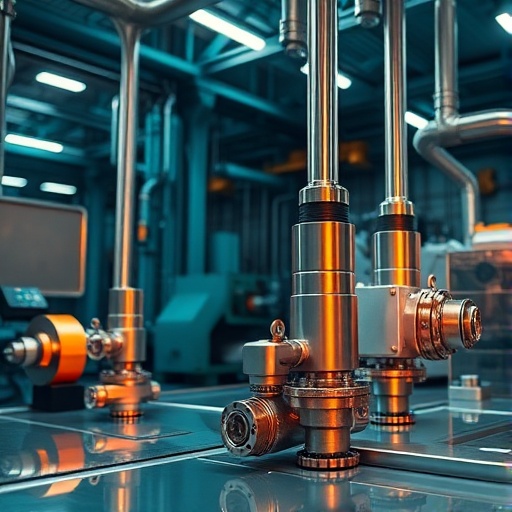
Overview of Machining Techniques
Modern pneumatic valve manufacturing starts with bar stock or castings that undergo turning, milling, drilling, and threading to create precise internal passages and sealing surfaces. CNC lathes handle the bulk of cylindrical features such as valve bodies and stems, while multi-axis mills cut complex port geometries and mounting flanges. Manufacturers often combine these operations in single setups to maintain concentricity and reduce handling errors. Deburring and surface finishing follow to ensure smooth gas flow and reliable sealing. Shops that specialize in pneumatic valve machining invest in high-pressure coolant systems and vibration-dampening tooling to achieve tight tolerances on small-diameter bores. Heat treatment and plating steps come next when durability requirements demand harder wearing surfaces. The entire sequence emphasizes repeatability so every batch meets dimensional specs without excessive scrap.
Precision Machining of Pneumatic Valve Parts
Every pneumatic valve part demands micron-level accuracy because internal clearances directly affect leak rates and response speed. Machinists use Swiss-style lathes and jig grinders to produce spools and sleeves that slide with minimal friction yet maintain pressure integrity. Threaded ports receive form taps that leave clean roots free of burrs that could damage seals later. Five-axis milling centers create angled flow paths in manifold blocks without secondary setups that risk misalignment. In pneumatic valve machining, tool wear monitoring and in-process probing catch deviations before parts leave the machine. Shops also employ wire EDM for intricate slots or orifices where conventional cutters cannot reach. These methods allow manufacturers to hold consistent quality across high volumes while accommodating frequent design revisions from engineering teams.
Quality Control in Valve Machining
Quality control begins with incoming material certification and continues through every machining stage with coordinate measuring machines and air gauging. Operators verify critical diameters, roundness, and surface finishes against drawings before parts move to assembly. Statistical process control charts track trends so adjustments happen before tolerances drift out of spec. Leak testing under simulated operating pressure confirms that machined sealing lands perform as intended once valves reach the field. Traceability systems link each finished component back to its machine, operator, and tool set, simplifying root-cause analysis when returns occur. Third-party audits and internal calibration schedules keep measurement equipment reliable. This disciplined approach gives customers confidence that pneumatic valves will deliver long service life even in demanding factory environments.
Innovations in Pneumatic Valve Design and Engineering
Advancements in Pneumatic Actuator Technology
Recent actuator designs incorporate composite pistons and low-friction seals that cut air consumption while increasing cycle life. Integrated position sensors and bus communication let plant networks monitor actuator health in real time and predict maintenance needs. Manufacturers now offer compact rack-and-pinion units that deliver higher torque in smaller envelopes, freeing space inside crowded control panels. Some models combine spring-return and double-acting functions through modular end caps, reducing spare-part inventories for factories. These advances in pneumatic actuator engineering improve both speed and energy efficiency without sacrificing the robustness that pneumatic systems are known for. Fieldbus integration also simplifies commissioning because parameters download directly from the control system rather than requiring manual adjustments on each device.
Design Considerations for Efficient Performance
Engineers optimize flow paths inside valves to minimize pressure drop and turbulence that wastes compressor energy. They select seat angles and spool overlaps that balance fast shifting with stable intermediate positions for proportional control. Thermal expansion calculations ensure consistent performance across temperature swings common in factory settings. Finite element analysis identifies stress concentrations around ports before prototypes reach the shop floor. Modular porting options let customers configure valves for different media or pressure ranges without new castings. These considerations during the design phase directly influence how well a valve performs in pneumatic valve machining and subsequent assembly. The goal remains reliable operation with the lowest possible air usage and longest interval between service calls.
The Impact of Material Selection on Valve Durability
Material choices determine how long valves withstand abrasion from dirty gas, corrosion from process vapors, and mechanical fatigue from millions of cycles. Aluminum bodies offer light weight and good machinability for general factory use, while stainless steel versions handle aggressive environments. Engineers specify brass or engineered plastics for internal components that contact seals to reduce wear and extend service intervals. Surface treatments such as anodizing or nickel plating further boost resistance to scoring during high-speed actuation. In pneumatic valve manufacturing, consistent material properties also simplify machining parameters and improve yield. Proper selection prevents premature failure that could halt production lines and raise maintenance costs across an entire facility.
Challenges in Pneumatic Valve Manufacturing and Solutions

Common Manufacturing Challenges
Producing reliable pneumatic valves at scale involves tight tolerance stacks, varying material batches, and the need for clean internal surfaces free of chips or burrs. Shops often struggle with balancing throughput against the inspection time required for every critical feature. Supply-chain delays for specialty alloys or seal compounds can halt assembly lines even when machining capacity exists. Heat generated during aggressive cuts sometimes distorts thin-walled bodies, forcing extra straightening operations. These issues compound when customers demand shorter lead times and custom configurations. Effective management of these variables separates successful manufacturers from those that lose contracts to competitors.
Effective Management Strategies
Successful plants implement lean workflows that group similar parts into families and standardize setups across machines. Cross-training operators on multiple cells improves flexibility when demand shifts. Digital work instructions and tool-life tracking reduce human error and unplanned downtime. Close collaboration with suppliers secures buffer stock for long-lead items while maintaining just-in-time delivery for standard components. Regular design-for-manufacturability reviews catch features that complicate pneumatic valve machining before drawings reach the shop. These management practices keep costs predictable and quality high even as production volumes fluctuate.
Case Study: Hogge Precision Parts and Their Approach
Hogge Precision Parts built its reputation on consistent delivery of machined pneumatic valve components by combining advanced CNC processes with rigorous process control. The company invested in automated deburring cells and vision inspection stations that verify surface quality without slowing output. When a major pneumatic valve manufacturer requested faster turnaround on custom manifolds, Hogge Precision Parts reorganized its cell layout and added in-machine probing to cut inspection time by half. Their engineering team worked directly with customers to refine port layouts that eased machining while preserving flow performance. This hands-on approach reduced scrap rates and shortened lead times, proving that targeted improvements in pneumatic valve machining and management deliver measurable gains for both the shop and its clients.
See Also
- Exploring the Role of Pneumatic Valve Machining in Modern Hydraulic Systems
- From Concept to Creation A Deep Dive into Pneumatic Valve Machining Processes
- Unlocking Precision in Pneumatic Valve Machining for Enhanced Performance
- The Future of Manufacturing with Advanced Pneumatic Valve Machining Techniques